
About the project
CHAPLYA is a U.S.-focused streetwear brand that needed a complete e-commerce website built on WordPress and WooCommerce. The goal was not only to create a visually consistent fashion storefront, but also to prepare the entire technical foundation for product launches, payments, shipping, analytics, SEO and future independent store management.
The project was developed as a full online store rather than a simple catalog. The implementation had to support limited product drops, variable products, responsive shopping flows and a launch model where collections could be presented before sales officially opened.
Store structure, design and product catalog
I built the core WooCommerce structure, including the homepage, Shop, individual product pages, cart, checkout, account and supporting informational pages. The visual direction was kept minimal and fashion-focused, with an off-white base and a clean editorial presentation designed around CHAPLYA's streetwear positioning.
The initial catalog was structured around variable T-shirts with size and product variations, stock management and individual product data. Product presentation and option behaviour were configured so the store could remain visually clean while still supporting the variation logic required by WooCommerce.
I also implemented a centralized size-guide system. Measurement data could be managed at category level, while product pages automatically displayed a dedicated Size & Fit section instead of relying on the default WooCommerce Additional Information layout.
Drop Mode and collection launches
One of the key custom features was CHAPLYA Drop Mode, designed specifically for limited collection launches. The store administrator could manually switch sales ON or OFF directly from WooCommerce while keeping the catalog publicly visible.
When Drop Mode was active, customers could browse products but could not add them to cart or proceed through checkout. Purchase actions were blocked not only visually but also at WooCommerce and Store API level, preventing the restrictions from being bypassed through alternative purchase flows.
The closed-drop state was also connected to the email signup flow. A custom signup popup appeared while sales were closed so visitors could subscribe for new drops and limited releases, with controlled display behaviour to avoid repeatedly showing the same popup during a single drop cycle.
Checkout, payments and shipping
The complete checkout flow was configured for the U.S. market, including Stripe and PayPal together with Apple Pay and Google Pay. The purchasing process was tested across product selection, cart, checkout and order creation to ensure the store was ready for real customer transactions.
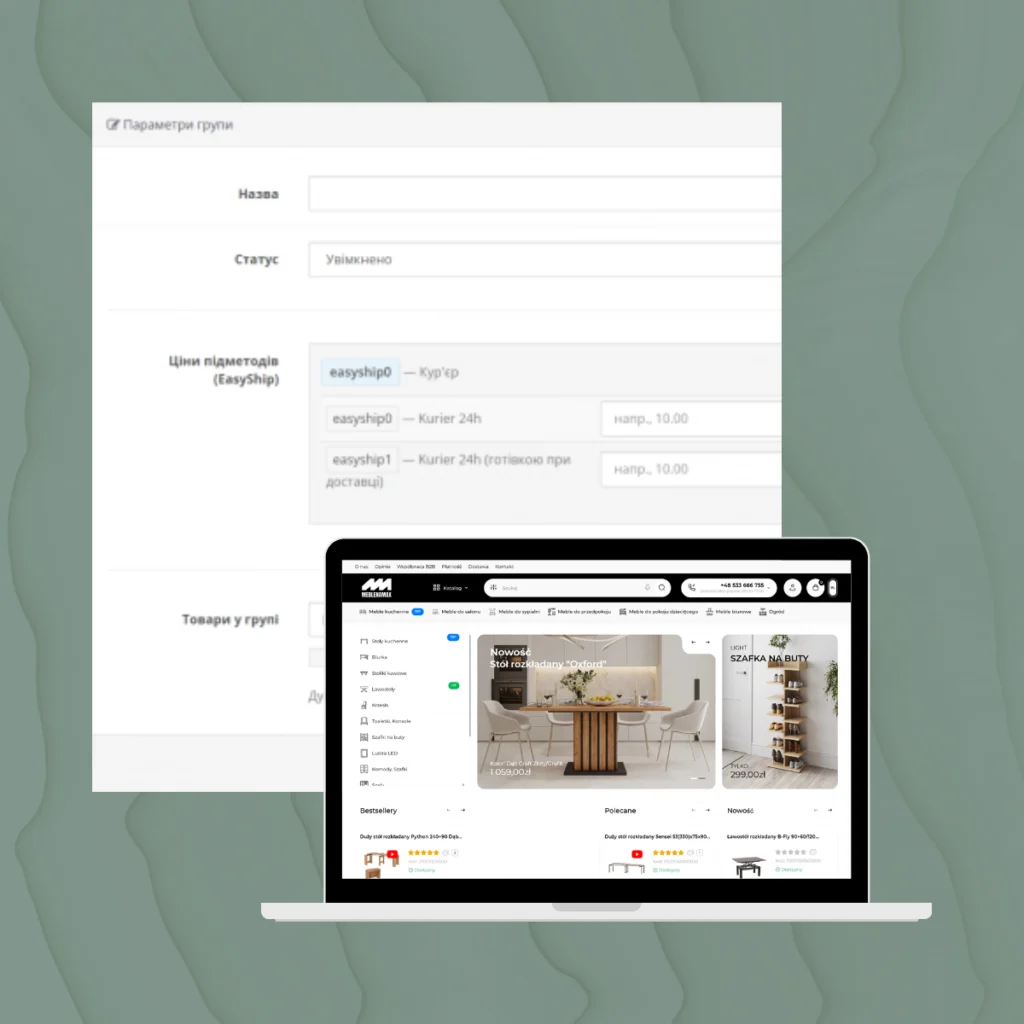
Shipping was configured through Easyship and connected to WooCommerce so customers could receive live shipping options during checkout. Product synchronization and package configuration were tested, and real U.S. carrier rates were successfully returned in the checkout flow.
Analytics, tracking and technical SEO
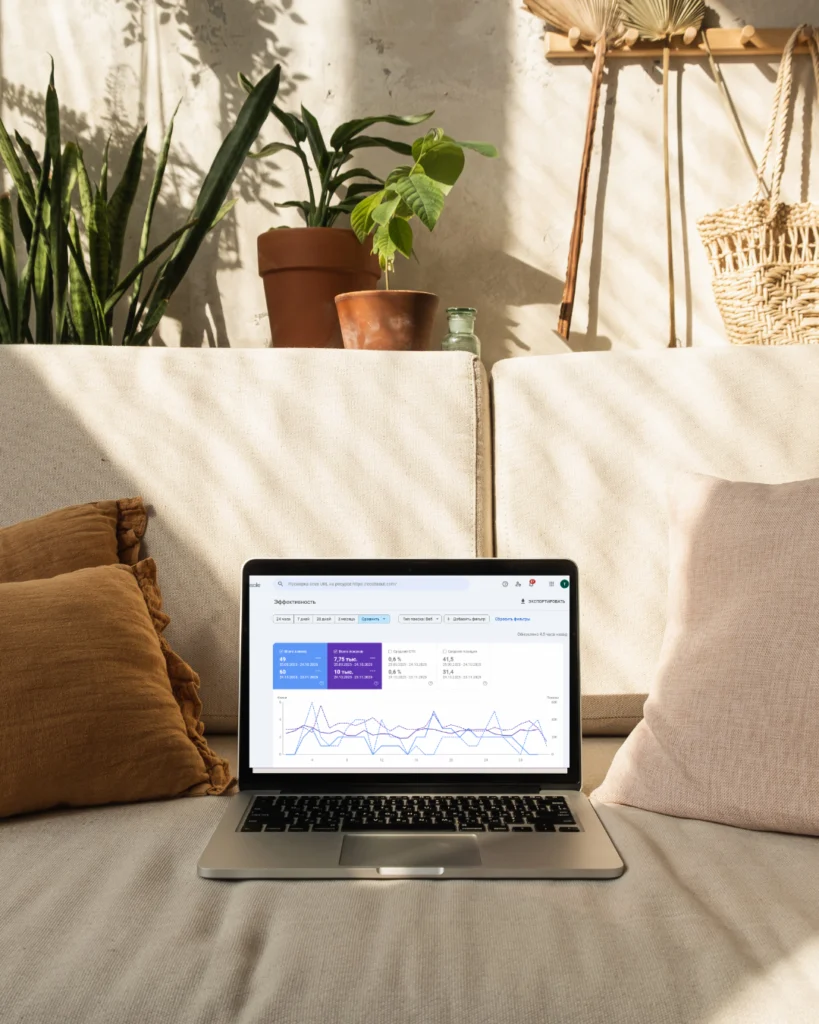
I configured the analytics and search infrastructure around the store, including Google Analytics 4, Google Tag Manager and Google Search Console. The tracking structure covered key e-commerce interactions such as product views, adding products to cart, viewing the cart, beginning checkout and completed purchases.
Technical SEO work included sitemap and robots configuration, indexing checks, heading hierarchy, canonical behaviour and review of WooCommerce-specific pages. Search Console was connected and used to monitor indexing behaviour as the new website started appearing in Google search.
Performance and mobile optimization
A significant part of the project involved performance optimization, particularly on mobile devices where the initial load was considerably heavier than desktop. I analyzed JavaScript execution, render-blocking resources, oversized images, lazy-loading behaviour and the loading priority of the main visual elements.
The work included reducing unnecessary frontend load, reviewing WooCommerce and plugin assets, optimizing image behaviour and improving the loading strategy for the homepage hero and other key elements. Desktop performance was already strong, while mobile performance was progressively improved without removing the functionality required by the store.
Hosting, DNS and network diagnostics
The project also required infrastructure-level troubleshooting beyond standard WordPress development. I worked with DNS, CDN and hosting configuration, SSL and domain records while investigating an unusual accessibility issue where the website worked normally over Wi-Fi but failed on some U.S. mobile networks.
The issue required testing DNS resolution, proxy and DNSSEC behaviour and communication with the hosting provider while ruling out WordPress-level causes. This part of the work involved diagnosing the problem at the network and infrastructure layer rather than treating it as a normal frontend or WooCommerce bug.
Result
CHAPLYA was prepared as a complete, launch-ready WooCommerce store with a structured product catalog, variable products, payments, U.S. shipping, analytics, SEO and a custom drop-based sales model. The store owner received a system that could be managed through WordPress without rebuilding the site for each new collection.
The final implementation combined the fashion-focused storefront with the technical infrastructure required for real e-commerce operations, while custom features such as Drop Mode, automated Size & Fit content and controlled email signup supported the brand's limited-release sales model.